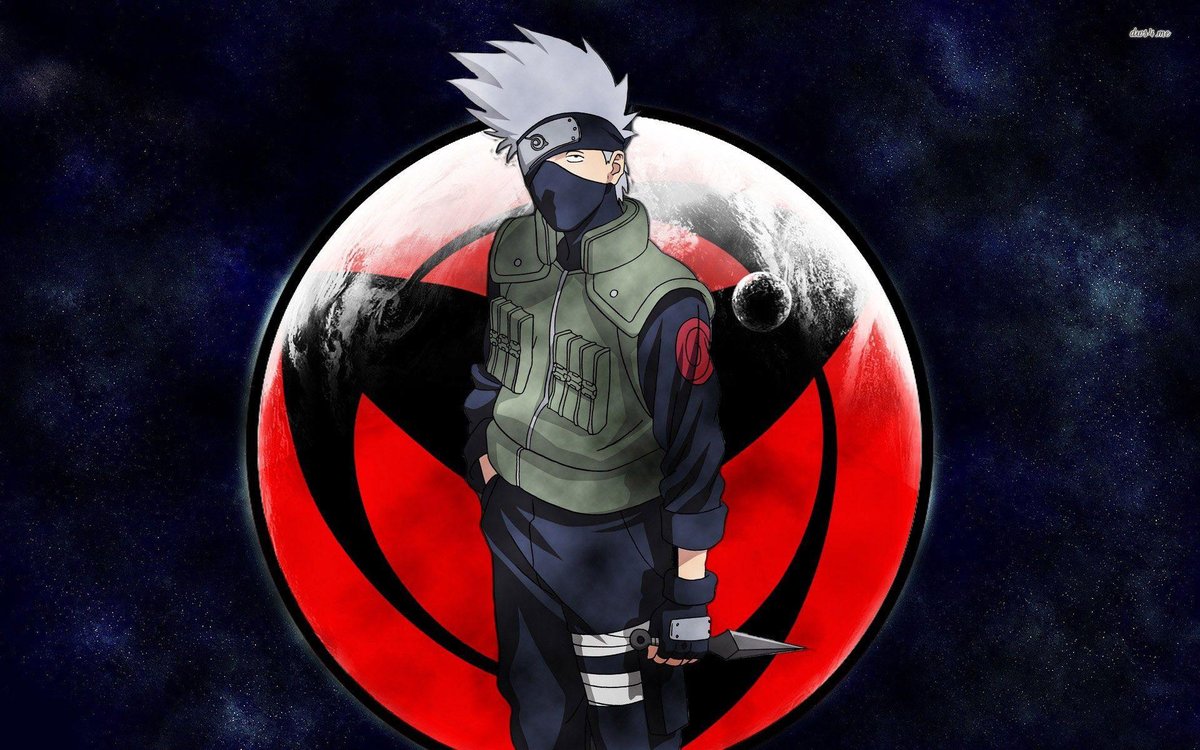
Many fans, especially those new to the vast world of anime, often wonder if beloved characters from one series might make an appearance in another. With powerhouse franchises like Naruto and Dragon Ball Z, it's natural to imagine dream crossovers. One common question that pops up is, "Is Kakashi Hatake in Dragon Ball Z?" Let's set the record straight right from the start: Kakashi Hatake is exclusively a character from the Naruto universe. He has never appeared in Dragon Ball Z, nor is he part of its canon or any official spin-offs.
However, the enduring popularity of Kakashi Hatake makes this question completely understandable. He is a character whose wisdom, power, and deeply human struggles resonate across anime fandoms. Even though he’s not trading blows with Goku or Vegeta, understanding who Kakashi is and why he's so iconic offers a rich dive into one of anime's most complex heroes. This guide will thoroughly explain the legendary Copy Ninja, offering insights into his past, powers, and pivotal role in the Naruto world.
The Foundations of a Prodigy: Tragedy, Rules, and Reshaped Ideals
Kakashi Hatake's journey is steeped in both extraordinary talent and profound tragedy. From a young age, it was clear he was destined for greatness, graduating from the Ninja Academy at just five years old and becoming a Chūnin by six. His initial philosophy was rigidly defined by rules, a direct response to his father, Sakumo Hatake, whose choice to save comrades over completing a mission led to his ostracization and eventual suicide. This traumatic event solidified in young Kakashi the belief that "those who break the rules are scum."
Yet, destiny had a different path for him. Serving under Minato Namikaze alongside Obito Uchiha and Rin Nohara, Kakashi's worldview was shattered and rebuilt. Obito's presumed death, which resulted in Kakashi receiving his left Sharingan, and Kakashi's subsequent forced killing of Rin (a manipulation by Madara Uchiha), became the crucible in which his character was forged. These events didn't just haunt him; they profoundly shaped his strategic brilliance and led him to internalize Obito's teaching: "those who abandon their friends are worse than scum." To truly appreciate the remarkable speed of his early career and the challenges he overcame, we invite you to explore Kakashi Hatake's fascinating journey from child prodigy to Jōnin.
The Copy Ninja: Mastering Borrowed Power and Signature Moves
Kakashi is perhaps best known by his moniker, "Copy Ninja Kakashi," a testament to his extraordinary ability to replicate over 1,000 jutsu using the Sharingan he inherited from Obito. While the Sharingan granted him immense power and tactical advantages, it also came with a significant drawback: as a non-Uchiha, it caused immense chakra drain, forcing him to keep it covered most of the time. Despite this limitation, he mastered it to an unparalleled degree, using it to anticipate movements, cast powerful illusions, and, of course, copy techniques.
His ingenuity didn't stop there. Kakashi developed one of his most iconic and devastating techniques: the Chidori. This concentrated sphere of lightning chakra requires extreme precision, calculated risk, and blinding speed to be effective. It embodies his strategic mind and willingness to push boundaries. Understanding the intricate workings and sheer versatility of his primary visual jutsu offers immense insight into his combat prowess, and you can find a deeper exploration into the formidable powers of Kakashi's Sharingan and Mangekyo right here. For those intrigued by his signature offensive technique, uncover Kakashi Hatake's mastery of the Chidori and its evolution into the Lightning Blade.
The Mentor: Guiding Team 7 and Forging Bonds
Kakashi's role as the sensei of Team 7—comprising Naruto Uzumaki, Sasuke Uchiha, and Sakura Haruno—is arguably his most defining. He didn't just teach them jutsu; he taught them the true meaning of teamwork, sacrifice, and friendship. His famous "bell test" wasn't about combat prowess; it was a psychological examination designed to instill the critical lesson that cooperation trumps individual ambition.
He nurtured each student uniquely: providing Sasuke with tailored techniques to channel his immense talent, offering Naruto guidance on the power of emotional connection, and consistently pushing Sakura to recognize her own strength. Kakashi acted as a crucial bridge, subtly reshaping the pragmatic, often harsh realities of the shinobi world for the empathetic new generation. His nuanced approach fostered their growth, and you can delve further into Kakashi Hatake's nuanced approach as a sensei, and why he was more than just a teacher to Team 7.
The War Hero: Tactical Anchor and Wielder of Borrowed Power
During the Fourth Great Ninja War, Kakashi served as a vital tactical anchor for the Allied Shinobi Forces. His sharp intellect and battle experience made him indispensable in planning and executing critical maneuvers. The war also brought him face-to-face with his past, particularly Obito Uchiha, whom he ultimately helped redeem. In a climactic moment against Kaguya Ōtsutsuki, Kakashi temporarily regained Obito's Mangekyo Sharingan through his friend's spirit.
This profound spiritual reunion allowed him to manifest a perfect Susanoo – a powerful, chakra-based humanoid avatar – a truly extraordinary feat for a non-Uchiha. This moment wasn't just about raw power; it was a narrative culmination of friendship, sacrifice, and strength found through spiritual union. If you're eager to understand this incredible power-up, you'll want to read more about unveiling the details behind Kakashi Hatake’s perfect Susanoo and its brief yet impactful appearance. For a broader understanding of his combat approach and tactical genius, explore the strategic brilliance that defined Kakashi Hatake as a true tactical genius. Moreover, for a deeper dive into his fighting techniques that go beyond his famous eye, consider delving into Kakashi’s unique combat style that extends far beyond just his Sharingan.
The Sixth Hokage: A Bridge to a New Era
Following the tumultuous Fourth Great Ninja War, Kakashi Hatake reluctantly accepted the mantle of the Sixth Hokage. His tenure was not about personal ambition but about necessity, dedicating himself to Konoha's stabilization and modernization. He prioritized diplomacy, fostered international cooperation, and skillfully navigated a fragile peace, acting as a crucial bridge between the shinobi world's turbulent past and a hopeful, unified future.
Approximately ten years after the war, seeing the unwavering potential and leadership in his former student, Kakashi confidently named Naruto Uzumaki as his successor, the Seventh Hokage, and retired from active duty. His leadership paved the way for the era of peace seen in Boruto: Naruto Next Generations. To learn more about his challenging yet impactful leadership years, discover how Kakashi Hatake ascended to the demanding role of the Sixth Hokage.
The Enduring Legacy of Kakashi Hatake
Kakashi Hatake's legacy is defined by his profound evolution. He transformed from a rule-obsessed prodigy burdened by tragedy into a compassionate mentor, a strategic war hero, and a stabilizing Hokage. He consistently strived to be better—for himself, his comrades, and his village. His journey embodies adaptability, resilience, and the profound impact one individual can have on shaping the future.
He taught lessons that transcended jutsu, nurtured the next generation of leaders, and played a pivotal role in establishing an era of peace. While he may not be a Saiyan or possess ki manipulation, his strength lies in his character, his intellect, and his unwavering loyalty. For a complete understanding of his complex journey and growth, we highly recommend a full Kakashi Hatake character analysis, tracing his evolution as a shinobi and leader.
Kakashi Hatake remains a testament to the power of a well-written character, inspiring fans worldwide with his wisdom, his struggles, and his journey to become one of the most beloved figures in anime history—a legacy that stands strong, firmly rooted in the world of Naruto.